
Bounded pilot design
How to design a reviewable enterprise visualization pilot
Start with one bounded business decision, representative furniture and textile inputs, fixed output conditions, named reviewers, and purpose-specific acceptance criteria. Record pass, hold, reject, and rework states. Public self-service uses available catalog fabrics; owned libraries, APIs, managed support, integrations, and throughput remain evaluation scope until authoritative terms are agreed.
By XinVise TeamPublished Updated
Built for this workflow
- Evaluate one bounded workflow and intended output first
- Freeze representative inputs and purpose-specific acceptance criteria
- Report rates or timings only after a dated run with numerators and denominators
Define the decision, sample, and scope boundary
Name the business decision the pilot should support: upholstery direction, a room-scene candidate, a proposal asset, an internal range review, or another defined output. Freeze representative furniture SKUs, available catalog fabric IDs or separately governed owner-supplied textile references, source conditions, crop, dimensions, output format, naming, and intended channel.
Choose one bounded workflow before combining multiple production paths. Record what is included, what is excluded, and which questions require product, textile, legal, privacy, engineering, or channel owners. Do not treat owned textile libraries, APIs, managed support, integrations, enterprise throughput, pricing, or delivery terms as public guarantees.
- Record source rights and the responsible owner without inferring permission
- Keep furniture identity and textile identity separate
- Freeze the output role, crop, dimensions, and handoff format
Write acceptance criteria and reviewer roles before the run
List product invariants such as silhouette, proportions, parts, seams, piping, hardware, text, logos, and count. Add textile and scene checks that fit the output: direction, repeat, apparent scale, crop, perspective, floor contact, lighting, shadows, occlusion, and channel requirements. Physical color, hand feel, composition, dimensions, construction, and production approval remain separate evidence gates.
Assign a product owner, textile or technical owner, visual QA owner, channel owner, and the responsible legal, privacy, or engineering reviewers where those boundaries apply. Define pass, hold, reject, and rework states with a reason, reviewer, date, next action, and unresolved questions; do not create a universal pass percentage.
Run, hand off, and measure without inventing results
For each candidate, retain the source IDs, run timestamp, selected workflow or mode, output ID, reviewer, review time, decision, defects, rework, and handoff status. Keep failed attempts visible. A usable output is one that meets the predeclared purpose-specific criteria, not simply an image that completed generation.
After an approved run, report usable-output rate, human-review time, rework, and failure classes with numerators, denominators, conditions, and exclusions. If a method was not run or the denominator is zero, record not-run or null rather than zero. A submitted inquiry or generated image is not proof of qualification, delivery, publication, or business value.
- Keep exceptions and rejected outputs traceable
- Record unresolved physical, legal, privacy, and channel questions
- Separate measured observations from proposed targets
Recommended process
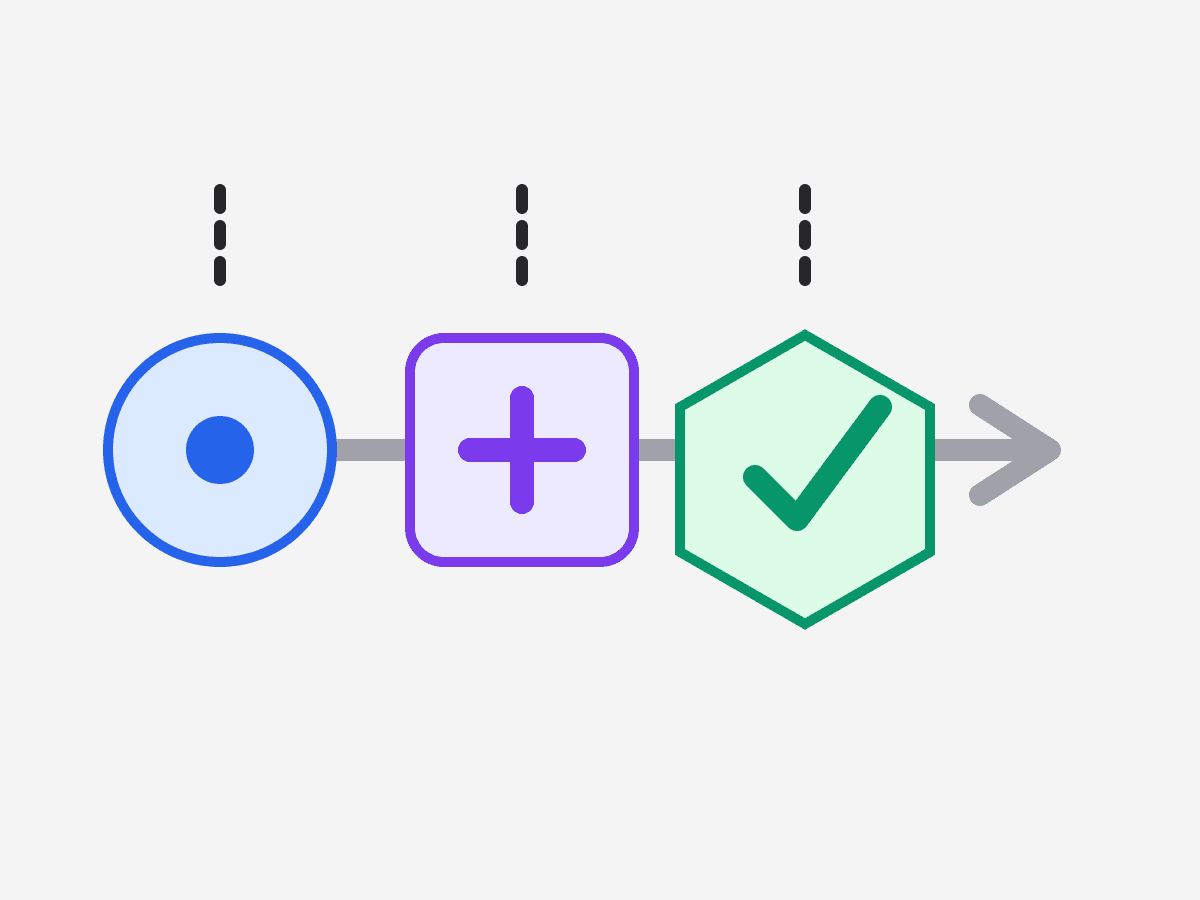
- 01
Freeze the pilot charter
Define one decision, representative inputs, intended output, scope exclusions, source owners, format, naming, and handoff boundary.
- 02
Declare review gates
Set product, textile, scene, channel, physical-evidence, rights, privacy, and technical checks with named reviewers.
- 03
Run and retain evidence
Keep source IDs, settings, timestamps, candidates, failures, reviewer decisions, defects, rework, and unresolved questions.
- 04
Report only observed results
Use actual numerators, denominators, conditions, and not-run or null states; do not publish assumed rates, speed, savings, or accuracy.
Workflow comparison
| Gate | Minimum record | Decision boundary |
|---|---|---|
| Intake | SKU, textile ID, source owner, intended use, scope | Hold incomplete or unauthorized inputs |
| Visual review | Invariants, defects, reviewer, date, status | Pass, hold, reject, or rework for the defined use |
| Physical and channel review | Sample/specification and current channel check | Separate from visual acceptance |
| Handoff and measurement | Output ID, format, exceptions, time, denominator | Report only after an actual run |
Sources and method
These primary sources support method and platform constraints; they are not third-party endorsements of XinVise product outcomes.
- GS1 Product Image Specification
GS1
Provides a method reference for product identity, views, naming, and image-asset governance; it does not establish XinVise pilot outcomes or service terms.
- Product image requirements
Google Merchant Center
Provides channel-specific product-image constraints for Google commerce use; it is not a universal platform rule or evidence of pilot acceptance.
Frequently asked questions
What is the smallest useful enterprise pilot?
One bounded decision with representative SKUs, a fixed input and output specification, named reviewers, and predeclared acceptance criteria. The appropriate sample size depends on the workflow and is not universally fixed here.
Does the checklist promise an API, owned library, managed support, or throughput?
No. Those capabilities and responsibilities remain scoped evaluation topics. Availability, authentication, integration, volume, support, pricing, and delivery terms require authoritative product and commercial agreement.
What metrics should be recorded?
After a real run, record preparation and review time, attempts, usable candidates, rework, failure classes, and whether the output supported its intended decision. Always include conditions, numerators, denominators, and exclusions.
Does visual acceptance approve the material or product for production?
No. Physical color, textile properties, construction, dimensions, production feasibility, legal rights, privacy, and channel approval remain separate decisions owned by the responsible reviewers.
Share representative inputs and acceptance questions
Use the contact checklist to discuss a bounded evaluation without assuming product, support, or delivery terms.
Discuss a pilot scope