
Cross-view apparent grain
Compare the corresponding panel and view, not an invented common texture angle
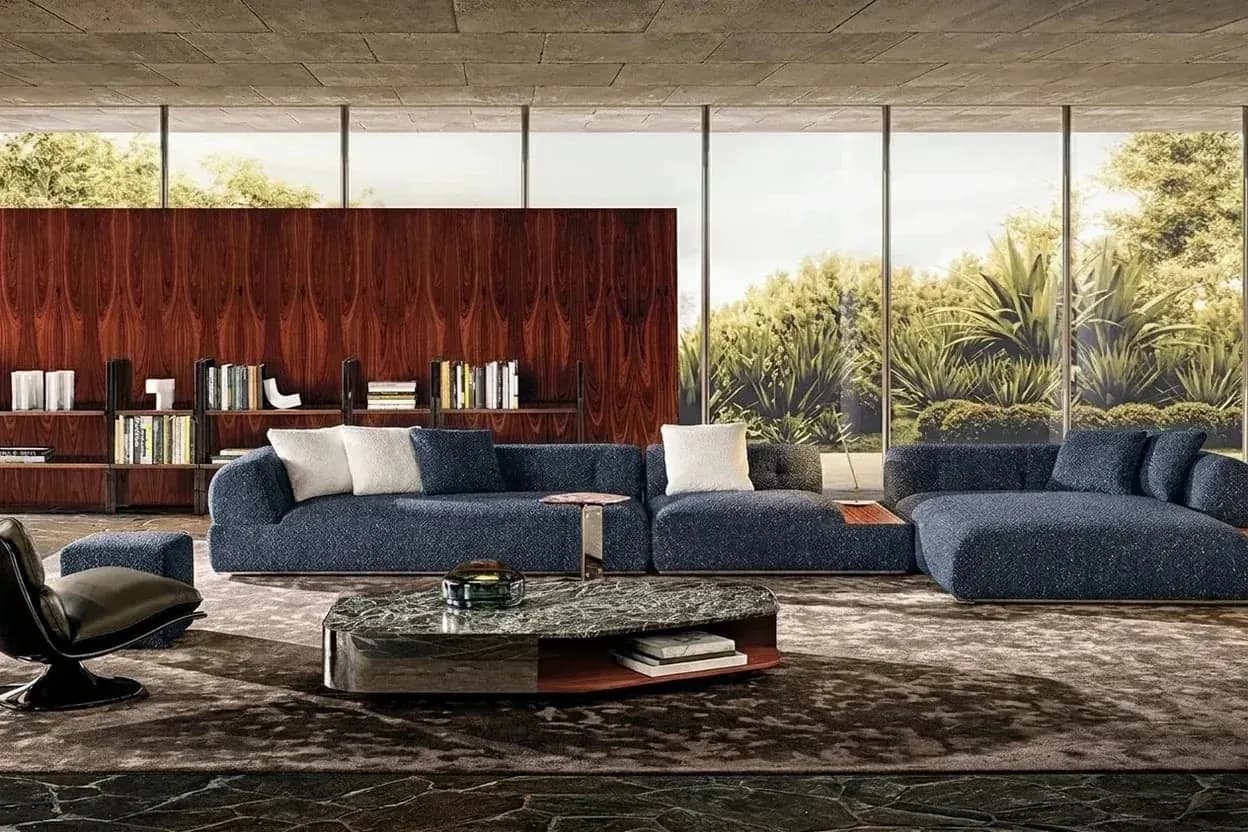
For supplied sectional, chaise or three-seater references, first identify each actual variant, view and visible panel. Compare apparent texture direction against that corresponding source, retaining known material-side and capture limits. This is manual cross-view review, not automatic alignment, measured grain projection, a shared-view generator or proof that all variants use one approved physical cutting direction.
By XinVise TeamPublished Updated

Built for this workflow
- Keep variant, view and visible panel identities together
- Separate perspective differences from actual candidate defects
- Route physical grain and cutting to real technical evidence
Build a source-linked view and panel list
Retain supplied product variants, actual source/view versions, visible upholstered panels and material article when confirmed. A chaise and a three-seater are not automatically the same product just because the catalog direction is shared.
Record side/orientation and capture conditions only when actually supplied. Hidden panels and unknown references stay open rather than become generated evidence or a guessed common camera angle.
Use the fabric-side reference review before attaching physical orientation to a swatch.
Compare apparent direction within the relevant reference
Check product identity first, then apparent weave or motif direction around the visible seat, back, arm and chaise junction. Record stretching, turning or lost texture as observations with the affected source/panel.
Different actual perspectives can change apparent direction. Do not force every view into identical pixels, rotate a candidate into a false match or call a plausible hidden panel verified. This checklist provides no angular tolerance or cross-view consistency score.
Use camera-perspective review and curved-surface review for their distinct source limits.
Keep visual alignment and physical cutting separate
Actual grain, repeat, panel layout, seams and construction need real material/product records and qualified review. A cross-view visual pass cannot approve a physical cutting plan or establish material identity across variants.
Public previews require sign-in, credits and available catalog fabrics. They do not add automatic multi-view synchronization, a locked camera/seed or independent per-panel material control; owned inputs need separate scope evaluation.
Physical panel questions remain with the repeat and seam handoff.
Deliver panel-specific observations and open views
Keep source/candidate pairs, variant/view/panel, actual article references, intended visual use, reviewer/date and holds. State which views and junctions remain unverified rather than approve the whole range.
Use minimal approved references without customer contents or credentials. The broader lighting/set handoff remains separate, and no measured alignment, material fidelity or sampling saving is published here.
Use the multi-angle lighting review for the wider view-set decision.
Recommended process
- 01
Identify actual views and panels
Keep variant/source/material references and known orientation without guessing hidden surfaces.
- 02
Compare corresponding directions
Review product identity and apparent texture against the relevant real panel/view.
- 03
Hold physical grain claims
Use actual cutting/material records and qualified review, not identical-looking pixels.
- 04
Handoff bounded observations
Retain source pairs, panel/view, reviewer/date and unverified junctions.
Workflow comparison
| Cross-view grain field | Actual reference | Not established |
|---|---|---|
| Variant/view | Supplied sectional/chaise/three-seater and actual source | Shared fabric does not make variants identical |
| Visible panel | Corresponding seat/back/arm/junction reference | No hidden-panel approval |
| Apparent direction | Observed weave/motif behavior against that view | No identical-pixel or angular threshold |
| Capture limits | Known conditions and perspective uncertainty | No locked camera or automatic alignment |
| Physical grain | Actual article/panel/cutting records and qualified owner | Visual direction is not a cutting plan |
| Handoff | Source pairs, use, reviewer/date and open views | No all-variant consistency or production result |
Sources and method
These primary sources support method and platform constraints; they are not third-party endorsements of XinVise product outcomes.
- Product image requirements
Google Merchant Center
Provides Google-specific accuracy and presentation context; it is not universal platform policy or legal advice.
- GS1 Product Image Specification
GS1
Provides an industry reference for product-image views, naming, versioning, and asset governance.
Frequently asked questions
Should grain look at the same pixel angle in every view?
Not necessarily. Compare each actual panel/view with its relevant source; perspective can change apparent direction without establishing a physical defect.
Does a shared catalog fabric prove the same cutting direction on every sofa variant?
No. Actual material, panel and construction records need qualified review; a visual match is not cutting evidence.
Does XinVise automatically synchronize grain across camera angles?
No such capability or measured consistency is established here. This is manual source-linked review, not a multi-view alignment service.
Can a plausible hidden junction be counted as verified?
No. Obtain appropriate real or technical evidence and retain the missing-view limitation.
Discuss actual variant/view references
Bring minimal approved panel/view identities and unresolved texture observations; keep physical grain decisions separate.
Discuss cross-view grain scope