
Initial-sample palette scope
One actual sample can anchor a visual discussion, not certify the whole palette
Start with the supplied physical furniture sample, its authorized product references and an identified palette request. Keep actual sample evidence separate from each catalog direction and digital candidate. This is manual full-palette pre-review planning, not automatic range generation, proof of all-color feasibility or a measured reduction in physical sampling, reshoots or cost.
By XinVise TeamPublished Updated
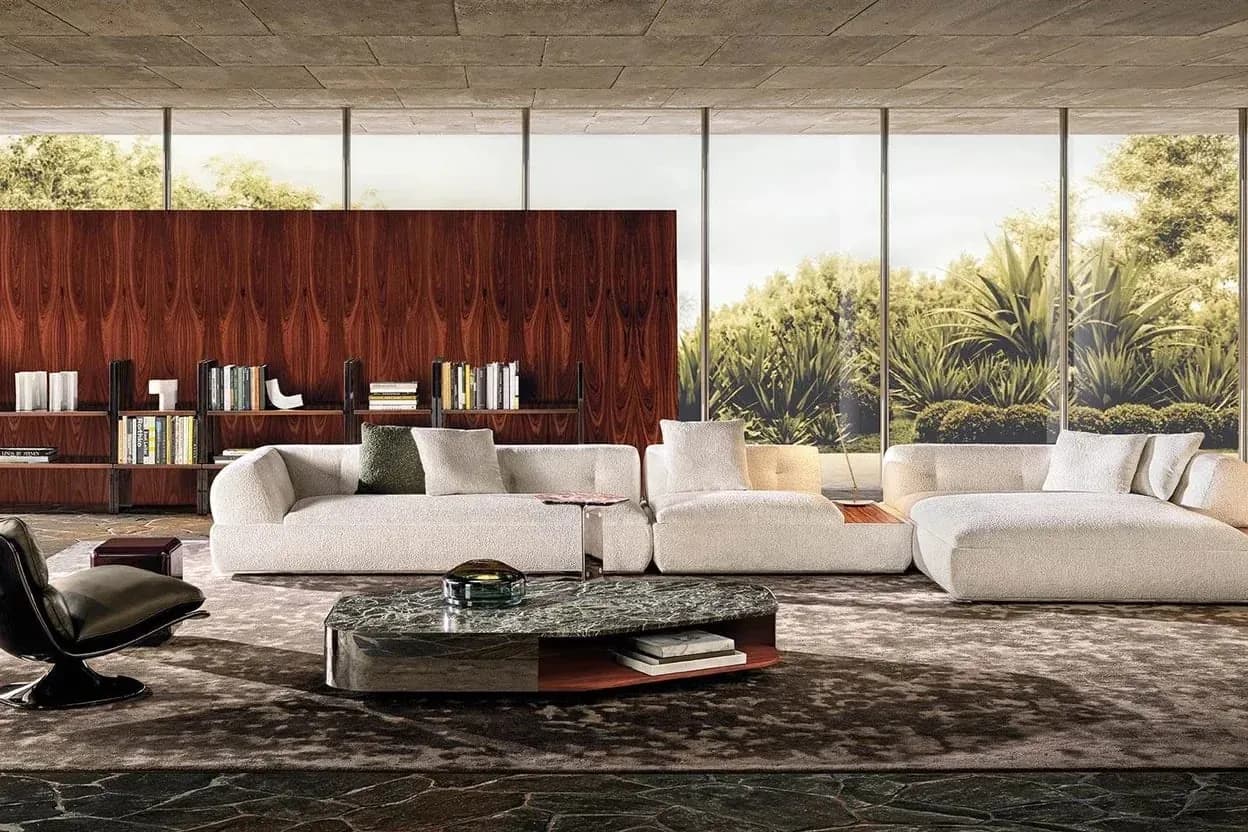
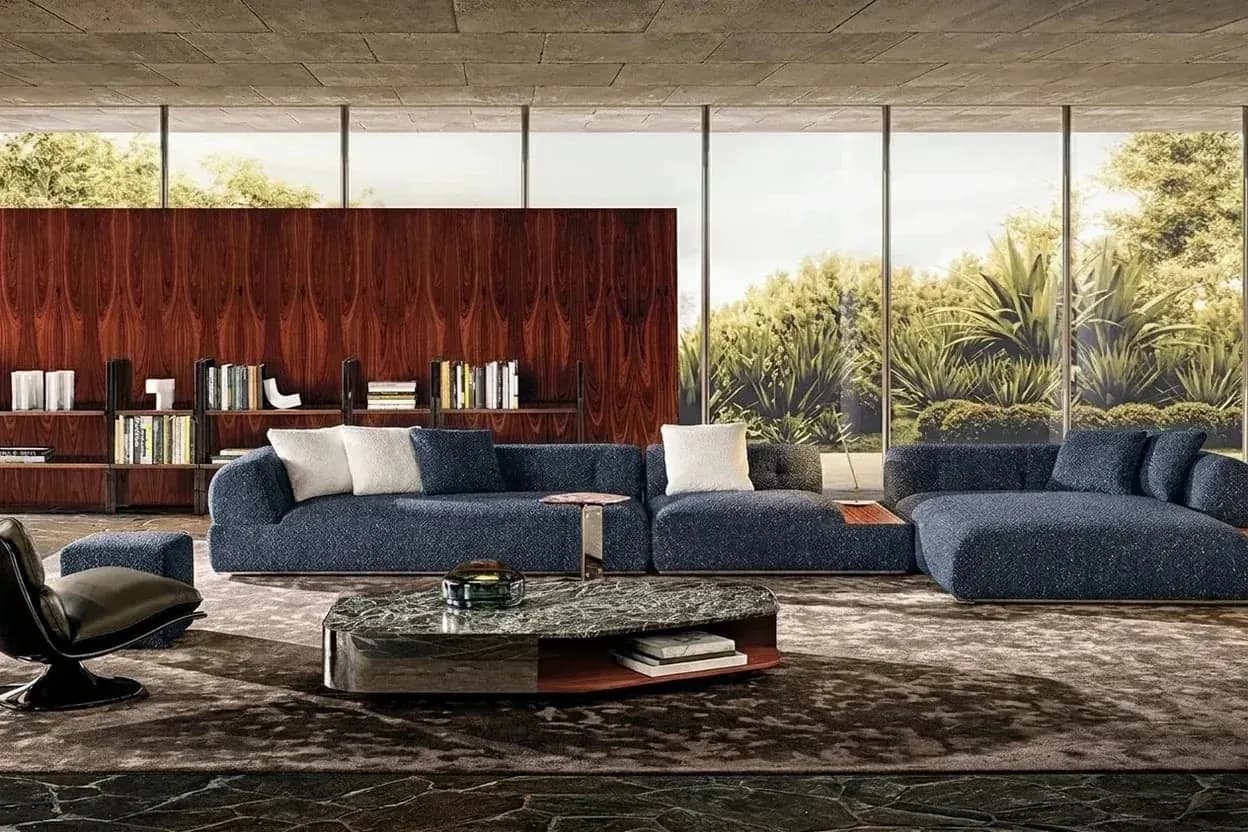
Built for this workflow
- Identify the actual initial sample and evidence coverage
- Keep each requested color and candidate role traceable
- Retain separate physical and commercial gates for untested colors
Identify what the real initial sample actually establishes
Retain supplied product/variant, actual sampled article/color, authorized source versions and known limitations. Do not turn a photograph, a received swatch or a preferred candidate into evidence that a complete furniture sample was made and approved.
Record which product and material facts the actual sample review covers. Different colors, materials or construction changes do not automatically inherit that physical coverage.
Use the swatch-receipt reconciliation for swatch identity, not whole-furniture approval.
List the supplied palette as a requested visual scope
Keep actual supplier/series/article/color identifiers and the intended visual question for each requested option. A requested full palette is not proof that every option exists in the public catalog, is stocked or has an approved physical sample.
Distinguish actual product photography, a material reference and generated/retouched candidates. Missing references and unverified colors stay open rather than receive invented swatches or a completed status.
Use the seasonal colorway handoff for range planning.
Review digital options without expanding physical approval
Check product identity, source-linked fabric appearance and intended use before recording a visual preference. Actual physical color, finish, compatibility and construction need appropriate samples/records and responsible review for their scope.
Public previews require sign-in, credits and available catalog fabrics. This page adds no automatic all-color expansion, bulk generation, private-library import, free retries or guarantee that a physical sample is unnecessary.
Use the physical-sample boundary and option-combination review.
Handoff per-color status and remaining physical evidence
Retain sample/source/palette/candidate versions, actual evidence coverage, intended use, reviewer/date and color-specific holds. A visual shortlist is not a material order, production release or proof that every option was tested.
Share minimal approved references without customer orders or credentials. No measured cost, sample reduction or reshoot saving is established here; actual missing capture evidence still needs its own decision.
Use the evidence-gap reshoot brief for missing source evidence.
Recommended process
- 01
Identify actual sample coverage
Keep product, sampled article and real review evidence without extending it to every color.
- 02
List requested visual options
Retain real identifiers and unknown catalog/sample availability separately.
- 03
Review digital candidates
Check identity and appearance while holding material, construction and commercial decisions.
- 04
Deliver per-color status
Retain versions, reviewer/date and unresolved physical/capture evidence.
Workflow comparison
| Initial-palette field | Actual reference | Not established |
|---|---|---|
| Physical sample | Supplied product/variant and actual sampled article | No whole-product approval from a swatch/image |
| Evidence coverage | Actual sample review and stated limitations | No inherited all-color physical pass |
| Palette request | Actual supplier/article/color and visual question | No assumed catalog, stock or sample availability |
| Candidate role | Actual photo/material/generated/retouched distinction | Digital preference is not a material order |
| Physical gate | Required sample, compatibility and construction evidence | No automatic range generation or sampling replacement |
| Handoff | Versions, per-color use, reviewer/date and holds | No sample/cost/reshoot-saving measurement |
Sources and method
These primary sources support method and platform constraints; they are not third-party endorsements of XinVise product outcomes.
- Product image requirements
Google Merchant Center
Provides Google-specific accuracy and presentation context; it is not universal platform policy or legal advice.
- GS1 Product Image Specification
GS1
Provides an industry reference for product-image views, naming, versioning, and asset governance.
Frequently asked questions
Does one approved furniture sample approve every color digitally shown?
No. Retain the actual sample's coverage; other colors/materials and construction changes need their relevant physical review.
Does a full-palette request mean all options are publicly available or stocked?
No. Confirm actual catalog, supplier and sample scope separately; do not invent availability.
Does XinVise automatically expand one sample into a complete physical palette?
No such capability or physical proof is established. Public candidates use available catalog scope with sign-in and credits.
Does this prove fewer samples or no reshoots are needed?
No. It is a visual pre-review plan, not a measured saving or permission to omit required physical/capture evidence.
Discuss the actual sample and requested palette scope
Bring minimal approved product/article references and evidence gaps, not an assumption that one sample approves all colors.
Discuss initial-palette scope